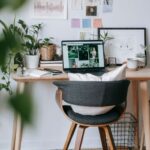
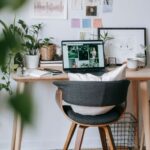

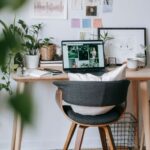


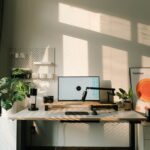

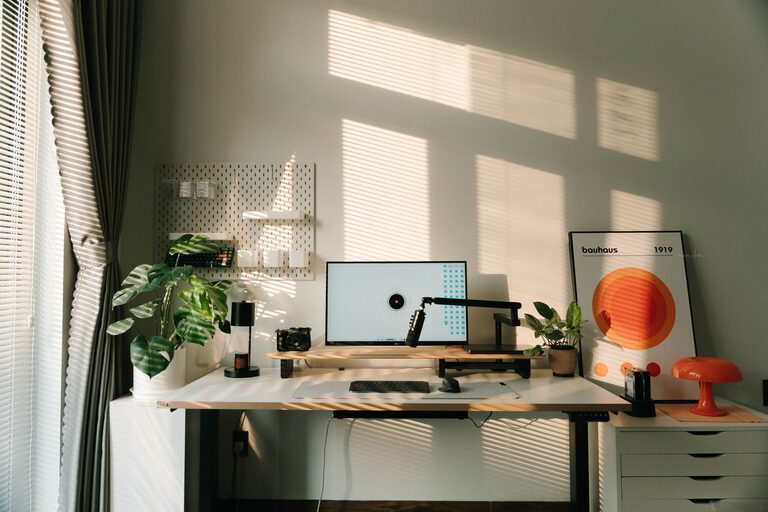
Creating a relaxing home office environment is essential for maintaining productivity and well-being, especially as many people continue to work remotely. A calm, comfortable workspace can reduce stress, improve focus, and make your workday more enjoyable. Whether you have a dedicated room or a small corner at home, these tips will help you design a home office that promotes relaxation and efficiency.
Choose the Right Location
Consider Natural Light
Natural light positively affects mood and energy. Place your desk near a window if possible to enjoy daylight while working. Avoid positioning your screen directly in front of or behind the window to reduce glare.
Find a Quiet Space
Choose a quiet area away from household noise and distractions. If noise is unavoidable, consider using noise-canceling headphones or adding soft textures like rugs and curtains to absorb sound.
Invest in Comfortable and Functional Furniture
Ergonomic Chair and Desk
A supportive chair and the right desk height are crucial for comfort. Look for chairs with adjustable features and lumbar support to prevent discomfort during long hours.
Keep Essentials Within Reach
Organize your workspace so that frequently used items are easy to reach. This setup minimizes interruptions and keeps your workflow smooth.
Use Calming Colors and Decor
Soothing Color Palette
Colors such as soft blues, greens, and neutrals have calming effects. Choose wall paint or decorative accents in these tones to create a peaceful atmosphere.
Personal Touches
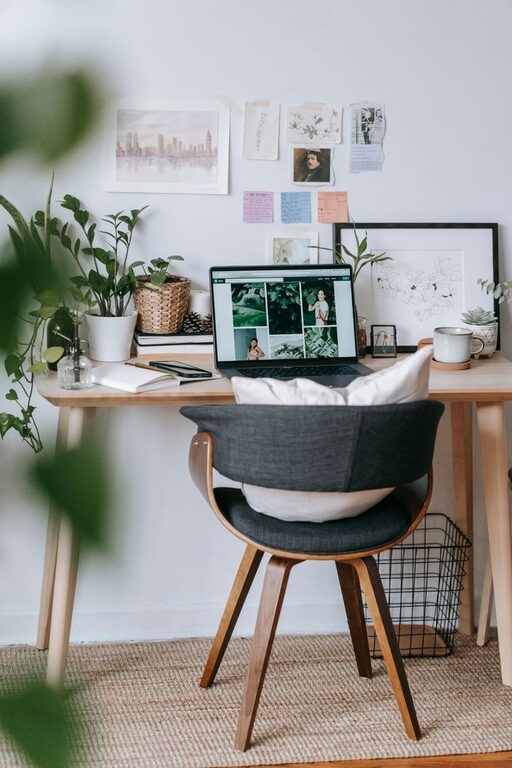
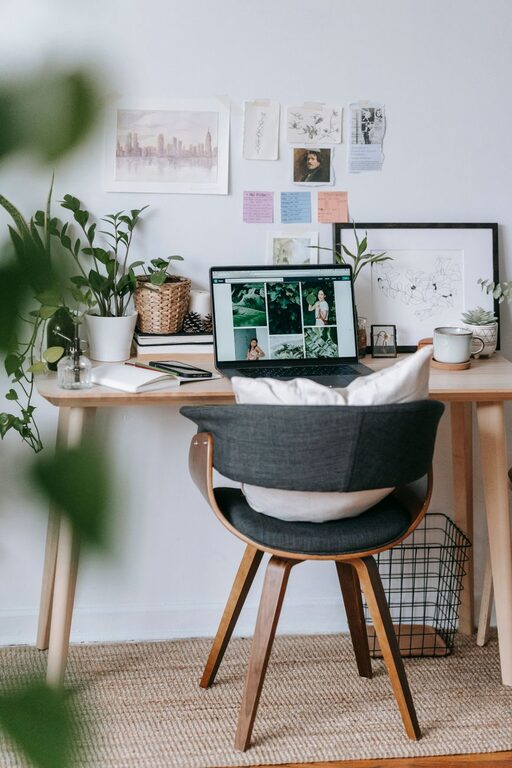
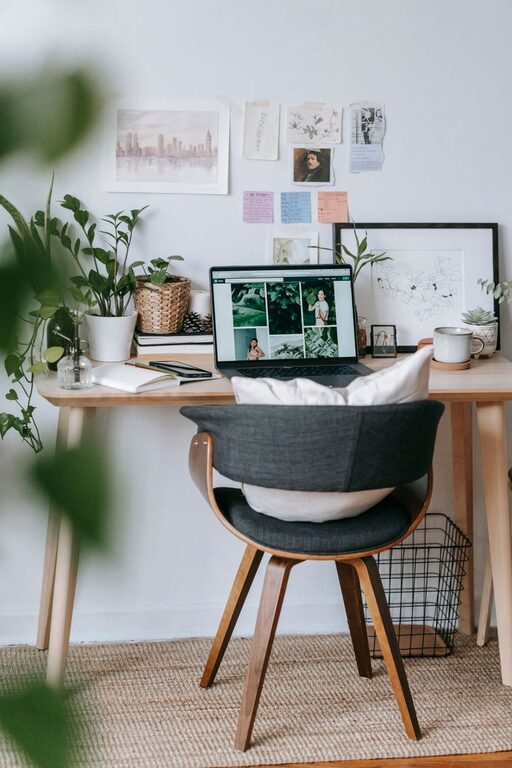
Incorporate items like plants, artwork, or photos that make you feel relaxed and inspired. Avoid cluttering your space; instead, choose a few meaningful pieces.
Optimize Lighting
Layered Lighting
Combine natural light with ambient, task, and accent lighting. Use adjustable desk lamps for focused work and softer overhead lighting to reduce eye strain.
Avoid Harsh Fluorescent Lights
Replace harsh lighting with warmer, LED bulbs that create a more inviting and less tiring environment.
Keep the Space Organized
Declutter Regularly
A clean and tidy workspace helps reduce anxiety and increases focus. Take a few minutes daily to clear your desk and file papers.
Use Storage Solutions
Invest in shelves, drawers, or bins to store supplies neatly. Label containers to make finding items easier and maintain order.
Incorporate Elements that Promote Relaxation
Add Greenery
Plants improve air quality and bring a sense of calm. Choose easy-to-care-for plants like succulents, snake plants, or pothos.
Use Aromatherapy
Mild scents like lavender, eucalyptus, or citrus can promote relaxation. Use essential oil diffusers or candles safely in your workspace.
Limit Distractions and Technology Overload
Manage Notifications
Turn off unnecessary notifications on devices to maintain focus. Set specific times to check emails and messages.
Create a Tech-Free Zone
Reserve part of your home office for breaks without screens. This can help your mind rest and reduce digital overload.
Take Regular Breaks
Follow the 20-20-20 Rule
Every 20 minutes, look at something 20 feet away for 20 seconds to reduce eye strain.
Move Around
Stand up, stretch, or take a short walk to refresh your body and mind.
Personalize Your Routine
Create rituals that signal the start and end of your workday. This practice helps separate work time from personal time, contributing to a balanced lifestyle.
—
By applying these tips, you can create a home office environment that not only enhances productivity but also supports mental and physical well-being. A relaxing workspace is an investment in your comfort and success while working from home.