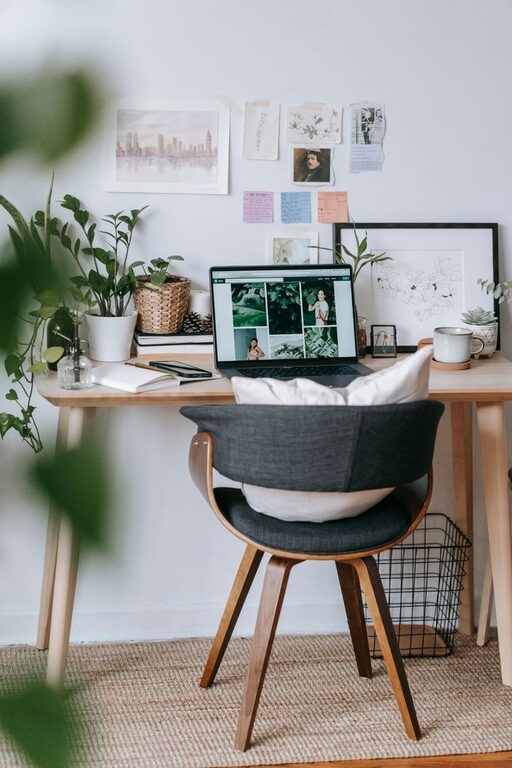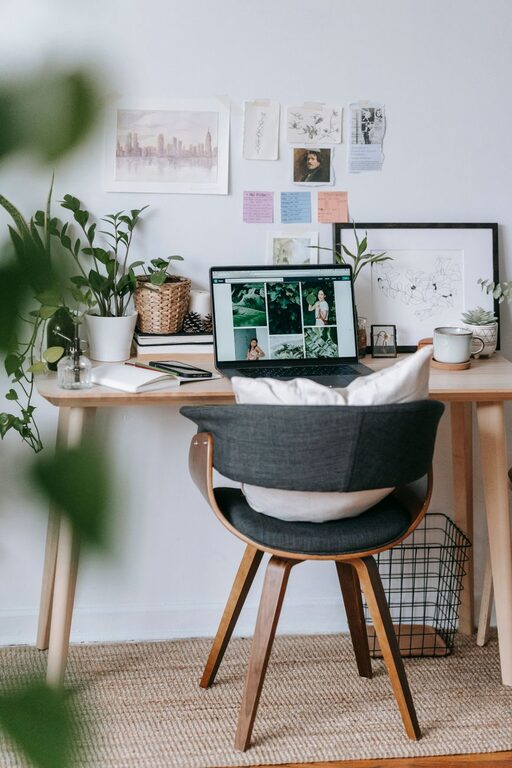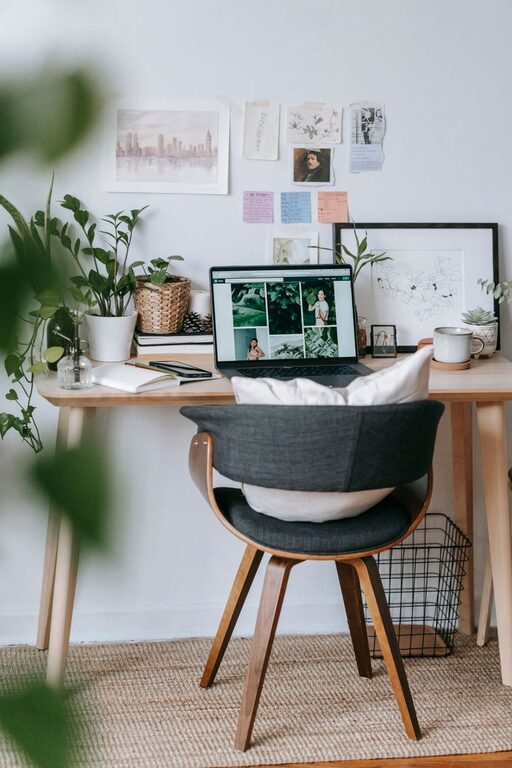






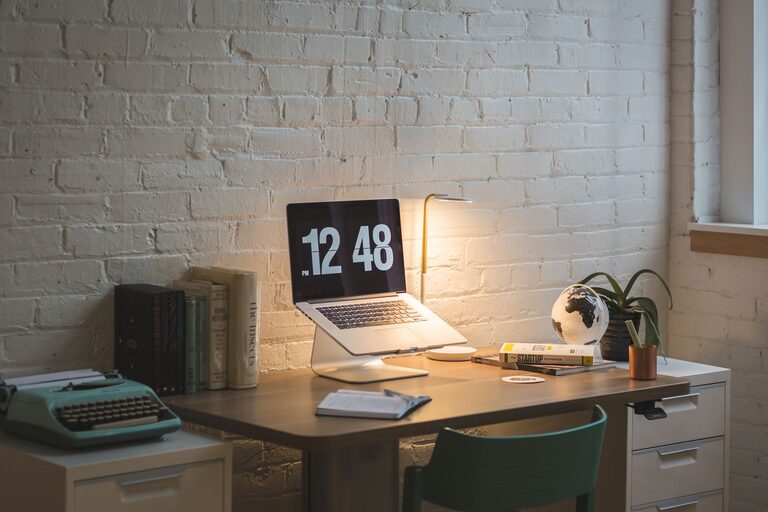
Creating a home office space that is both comfortable and productive is essential for anyone who works remotely or spends significant time on tasks at home. A well-designed workspace helps improve focus, reduces stress, and increases efficiency throughout the workday. Whether you’re setting up a home office for the first time or looking to refresh your current setup, these tips will guide you in creating an environment where you can thrive.
Choose the Right Location
Finding the best location for your home office is the first step. Ideally, select a quiet area with minimal distractions where you can concentrate.
– Look for a spot with natural light to help enhance mood and energy.
– Consider a room or nook that offers some privacy from routine household activities.
– Make sure there’s enough space for your desk, chair, and any necessary equipment.
If space is limited, a corner in a living room or bedroom can work well if arranged thoughtfully.
Invest in a Comfortable Chair and Desk
Your chair and desk are the foundation of your home office comfort and productivity.
– Ergonomic Chair: Choose a chair that supports good posture, adjustable height, and lumbar support to prevent back and neck pain.
– Desk Height: Use a desk that fits your height to keep your arms at a 90-degree angle when typing.
– If sitting all day is challenging, consider a sit-stand desk to alternate positions.
Comfortable furniture reduces physical strain and helps you stay focused longer.
Optimize Lighting
Good lighting is crucial for reducing eye strain and creating a welcoming workspace.
– Maximize natural lighting by positioning your desk near a window.
– Supplement with adjustable task lighting, such as a desk lamp, for focused work.
– Avoid harsh overhead lights; if needed, use soft white bulbs for a warmer atmosphere.
– Minimize screen glare by adjusting monitor position or using anti-glare screen protectors.
Proper lighting supports productivity and comfort throughout your work hours.
Organize Your Supplies and Equipment
Keeping your workspace tidy and organized minimizes distractions and saves time.
– Use desk organizers, drawers, or shelves to store office supplies.
– Keep only essential items on your desk to reduce clutter.
– Arrange cables neatly with clips or cable management boxes.
– Consider storage solutions that blend with your decor for a calming environment.
An organized space encourages efficiency and helps maintain focus.
Incorporate Personal Touches
Adding elements that make your home office feel inviting can boost motivation and well-being.
– Place plants nearby to improve air quality and add a natural touch.
– Hang artwork or photos that inspire or calm you.
– Use colors that make you feel comfortable; soft blues or greens promote relaxation.
– Add cozy touches such as cushions or a soft rug.
Personalizing your space makes it more enjoyable to spend time in each day.
Minimize Distractions
A productive home office requires limiting interruptions from household noise or technology.
– Establish clear boundaries with family or roommates about your work hours.
– Use noise-canceling headphones or white noise machines if you are in a busy environment.
– Disable unnecessary notifications on your computer and phone during work hours.
– Keep your workspace separate from entertainment areas whenever possible.
Reducing distractions helps sustain concentration and workflow.
Prioritize Technology and Connectivity
Reliable technology is essential for a smooth home office experience.
– Use a high-speed internet connection with adequate bandwidth for video calls and cloud access.
– Invest in a quality webcam and microphone for clear communication.
– Keep your devices charged and within easy reach.
– Use multiple monitors if your work involves multitasking or large amounts of data.
Staying connected and equipped avoids interruptions and frustration.
Take Breaks and Move Around
Even the best workspace can’t replace the benefits of taking periodic breaks.
– Follow the 20-20-20 rule: every 20 minutes, look at something 20 feet away for 20 seconds.
– Stand up, stretch, or walk around every hour.
– Incorporate brief physical activity like yoga or simple exercises near your workspace.
– Use break time to hydrate and refresh your mind.
Regular breaks improve focus, reduce fatigue, and promote overall health.
Maintain a Work Schedule
Having a clear structure to your day supports productivity and work-life balance.
– Set regular start and end times for your workday.
– Create a to-do list or plan for tasks to stay organized.
– Use calendar reminders to keep track of meetings and deadlines.
– Communicate your schedule with family or housemates to minimize interruptions.
A consistent routine helps build productive habits and separates work from personal time.
—
By thoughtfully designing your home office with comfort and productivity in mind, you can create a space that supports your best work. From choosing the right location to maintaining a balanced routine, these tips provide a solid foundation for an effective and enjoyable home workspace. Remember, your home office is a personal place—tailor it to fit your needs and preferences for the best results.