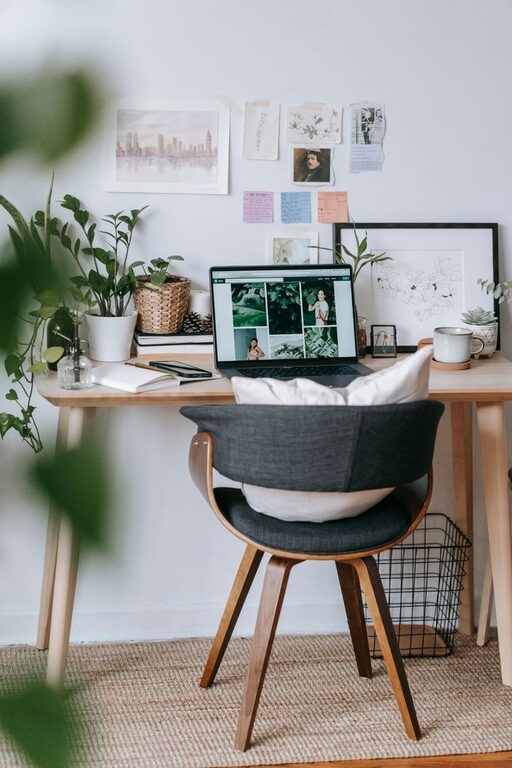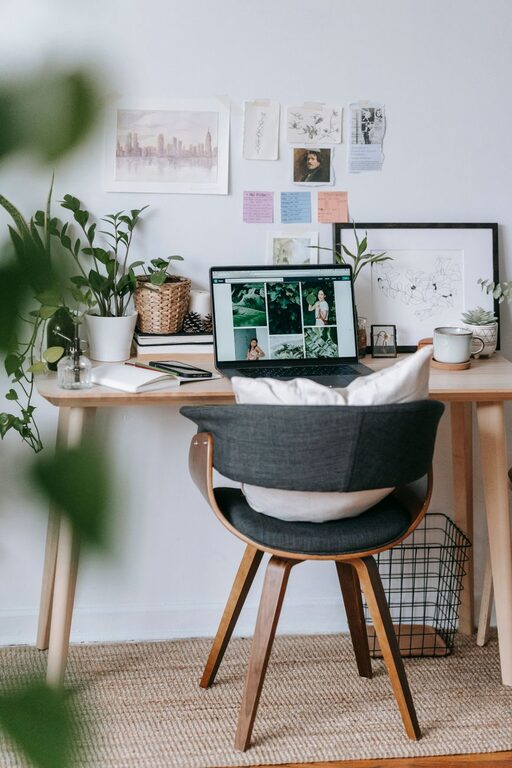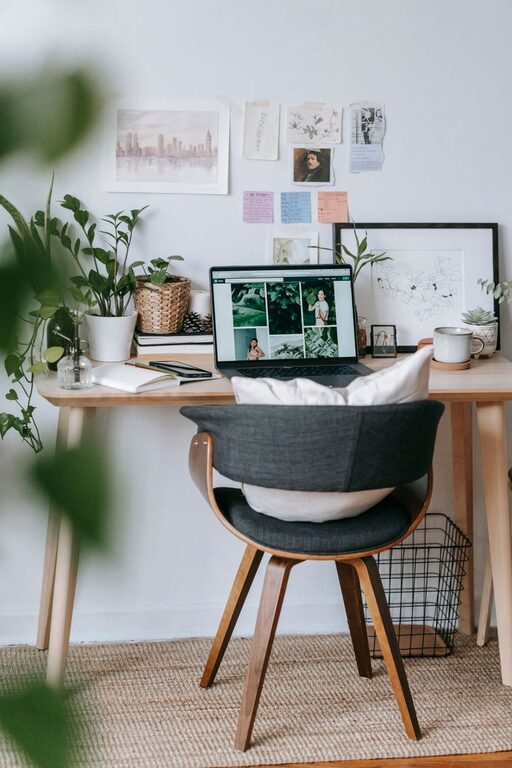







Creating an organized and productive home office space can make a significant difference in your workday. Whether you’re working remotely full-time or occasionally need a quiet spot to get things done, a well-designed workspace helps boost focus, reduce stress, and improve efficiency. In this post, we’ll explore practical tips to help you set up a home office that’s both functional and inviting.
Why an Organized Home Office Matters
Working from home offers flexibility, but it also comes with distractions and challenges. A cluttered or poorly arranged space can hamper productivity and diminish motivation. On the other hand, an organized environment allows you to concentrate better, manage your time effectively, and maintain a healthier work-life balance. Investing some time and effort into your workspace setup pays off with improved work quality and satisfaction.
Choosing the Right Location
Find a Quiet Space
Start by selecting a spot in your home with minimal noise and foot traffic. Ideally, this area should be separate from common living spaces to help you mentally “clock in” and “clock out” of work mode.
Consider Natural Light
If possible, position your desk near a window to benefit from natural light. Sunlight can enhance mood and energy levels, but be mindful of glare on your computer screen.
Assess Available Space
Your workspace doesn’t have to be large. Even a small nook can serve well if arranged thoughtfully. Make sure you have enough room for your essentials and some storage.
Planning Your Layout
Prioritize Ergonomics
Invest in a comfortable office chair with good lumbar support. Adjust your desk and monitor height so that your eyes are level with the top of the screen, and keep your wrists straight while typing to avoid strain.
Keep Frequently Used Items Within Reach
Arrange your most-used supplies and devices nearby to minimize unnecessary movement during work.
Use Vertical Space
Shelves and wall organizers help keep your desk clear while storing books, documents, and office accessories.
Organizing Your Desk and Supplies
Declutter Regularly
Clear out items you no longer need or use. A tidy desk makes it easier to focus and feel in control.
Use Trays and Containers
Small bins or trays can organize pens, paper clips, sticky notes, and other supplies, preventing them from scattering.
Manage Cables
Keep electronics’ cords organized using cable clips or sleeves to reduce tangling and maintain a neat appearance.
Digital Organization
Establish a Filing System
Create clear folders and subfolders for your digital documents. Use consistent naming conventions to make files easy to find.
Declutter Your Desktop
Limit the number of shortcuts and files on your computer desktop to reduce distractions.
Schedule Regular Backups
Protect your data by backing up important files routinely, using cloud storage or external drives.
Enhancing Productivity Through Environment
Personalize Thoughtfully
Add a few personal touches like plants, artwork, or photos to make your space welcoming but avoid overcrowding, which can be distracting.
Control Lighting and Temperature
Ensure your workspace is well-lit (without harsh glares) and kept at a comfortable temperature to maintain focus.
Minimize Distractions
Use noise-cancelling headphones if needed, and communicate your work hours to family or roommates to reduce interruptions.
Time Management Tips for Home Office Workers
Set Clear Work Hours
Define your start and finish times to establish routine and help separate work from personal life.
Take Planned Breaks
Stand up, stretch, or walk around a bit every hour to stay energized.
Use Task Lists
Organize your workday with to-do lists or digital planners to prioritize tasks and track progress.
Maintenance and Review
Schedule Weekly Tidying
Spend a few minutes at the end of each week organizing your desk and planning for the days ahead.
Assess and Adjust
Regularly evaluate your workspace setup and workflow to identify improvements. Simple tweaks can have a big impact.
—
Setting up an organized and productive home office takes some effort, but it’s well worth it. By selecting the right location, arranging your space ergonomically, staying organized, and managing time wisely, you’ll create a professional environment that supports your best work. Remember, your home office should be a place where you feel comfortable, focused, and empowered to succeed.